

When the heart’s natural rhythm is disturbed, it can affect every part of life—from climbing stairs to enjoying a simple evening walk. For some people, the solution comes in the form of a small but life-changing device: a cardiac pacemaker. In cities like Nagpur, advanced heart care facilities and skilled cardiologists are making pacemaker surgery safer, faster, and more comfortable than ever before.
If you or a loved one has been advised to get a pacemaker, here’s a complete guide to understanding the procedure, recovery, and where to find trusted care in Nagpur.
What is a Cardiac Pacemaker and Why is it Needed?
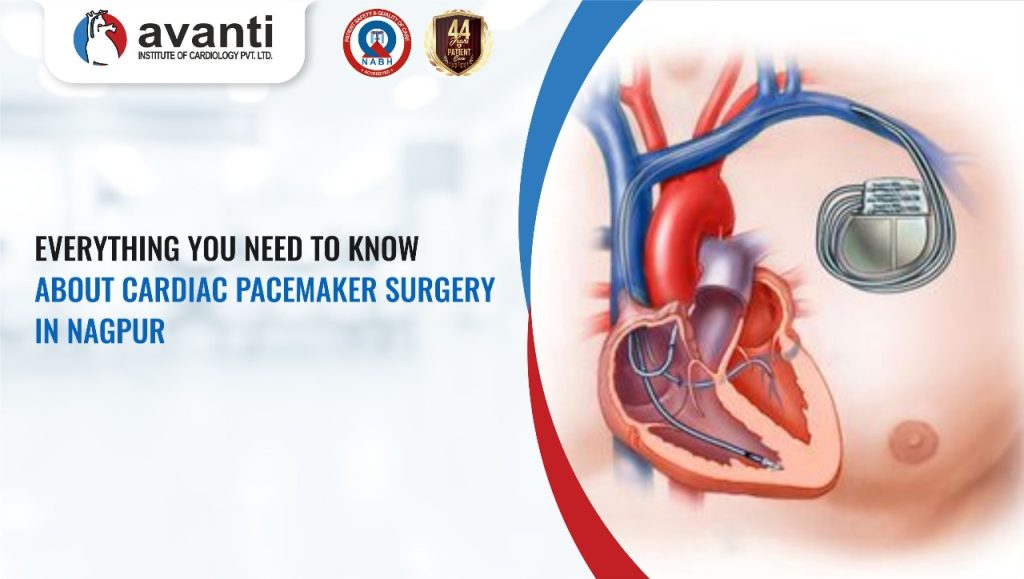
A cardiac pacemaker is a small, battery-powered device implanted under the skin, usually near the collarbone. Its job is simple yet critical—it sends gentle electrical impulses to the heart to maintain a steady heartbeat.
Doctors may recommend a pacemaker if:
- The heart beats too slowly (bradycardia)
- There are irregular rhythms (arrhythmias)
- Electrical signals in the heart are blocked (heart block)
- Certain heart conditions increase the risk of fainting or heart failure
For many patients, a pacemaker means the difference between constant fatigue and a return to normal, active living.
Types of Pacemakers Available in Nagpur
Modern hospitals in Nagpur offer various pacemaker types, tailored to each patient’s condition:
- Single-Chamber Pacemaker – Controls either the right atrium or right ventricle
- Dual-Chamber Pacemaker – Coordinates the timing between both chambers
- Biventricular Pacemaker (CRT Device) – Helps both sides of the heart beat in sync, often used in heart failure patients
- Leadless Pacemaker – A newer, smaller device implanted directly into the heart, with no leads or wires
Your cardiologist will determine the best option after detailed tests like ECG, Holter monitoring, and echocardiography.
The Surgery Process – Step by Step
Pacemaker surgery in Nagpur is usually done under local anesthesia and takes 1 to 2 hours. Here’s what to expect:
- Pre-Surgery Preparation – Routine blood tests, heart scans, and sometimes stopping certain medications.
- Local Anesthesia – The patient remains awake but comfortable.
- Device Insertion – A small incision is made below the collarbone, and leads (wires) are guided into the heart through a vein.
- Pacemaker Programming – The device is tested to ensure it’s working correctly.
- Closure and Recovery – The incision is closed with stitches, and most patients go home within 24 hours.
Recovery and Life After Pacemaker Surgery
Recovery is generally smooth, but doctors recommend:
- Avoiding heavy lifting or strenuous arm movements for 4–6 weeks
- Keeping the incision clean and dry until fully healed
- Attending regular check-ups to monitor the pacemaker’s function
- Carrying a pacemaker ID card for airport security and medical visits
Modern pacemakers can last 8–12 years before needing a battery replacement.
Risks and Safety Precautions
Like any surgery, pacemaker implantation carries minimal risks such as infection, swelling, or lead displacement. However, choosing a reputed cardiac hospital in Nagpur reduces these chances significantly.
Patients should also avoid strong magnetic fields and inform medical professionals before MRI scans unless they have an MRI-compatible pacemaker.
Where to Get Pacemaker Surgery in Nagpur
Nagpur is home to several advanced cardiac care centers equipped for pacemaker implantation:
- Care Hospital, Nagpur – Known for its skilled cardiologists and modern cath lab facilities
- Alexis Multispeciality Hospital – Offers advanced electrophysiology services and follow-up care
- Wockhardt Hospital – Specializes in minimally invasive pacemaker procedures
- Kingsway Hospitals – Well-regarded for both adult and pediatric pacemaker surgeries
These hospitals not only provide surgery but also long-term monitoring, which is essential for device efficiency.
Emotional and Lifestyle Support
Getting a pacemaker isn’t just a medical event—it’s an emotional journey. Many hospitals in Nagpur have cardiac rehabilitation programs that include diet counseling, exercise planning, and mental health support. Meeting other patients with pacemakers can also make the transition easier and help you regain confidence in daily life.
Final Thoughts
Pacemaker surgery can feel intimidating at first, but with the right medical guidance and emotional support, it can give you a second chance at a healthier, more active life. Nagpur’s growing network of modern hospitals and experienced cardiologists ensures that patients receive not just treatment, but compassionate care every step of the way.
If your doctor recommends a pacemaker, remember—it’s not just about adding years to your life, but adding life to your years.